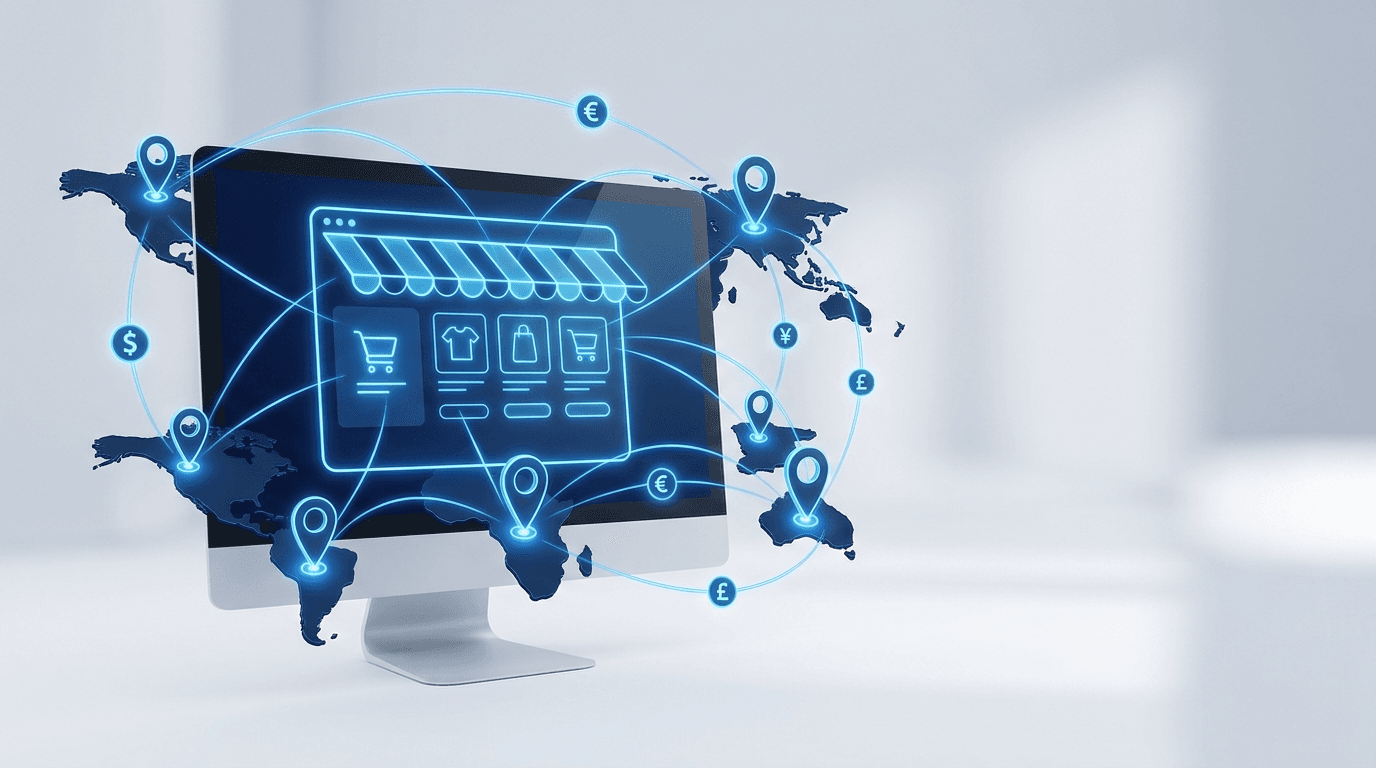
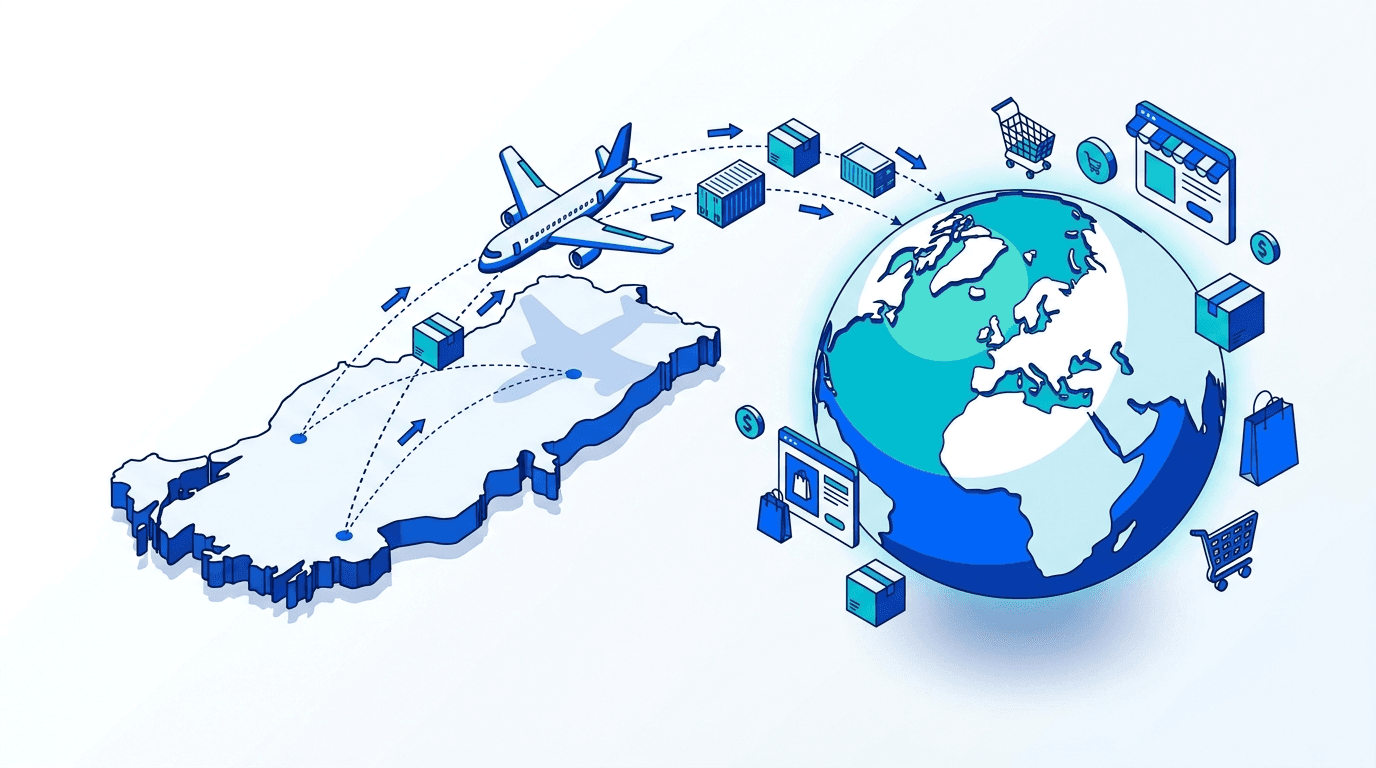
E-export means selling your products to customers abroad over the internet. For manufacturers and brands in Turkey, e-export is a door that opens onto a far larger market, foreign-currency earnings and growth beyond domestic competition, freeing you from being limited to the domestic market alone.
What's more, exporting, which in the past only large companies could do, has, with digitalization, turned into a field that small businesses and even one-person ventures can access. In this guide we cover all the fundamental steps for those starting in e-export from scratch.
What Is E-Export, and How Does It Differ From Traditional Export?
Traditional export is usually a wholesale, high-volume model dominated by intermediaries and long negotiation processes. E-export, by contrast, is most often a model that's direct to the end consumer (B2C), smaller in volume, driven by digital marketing and free of intermediaries.
This difference makes it possible for an entrepreneur to enter the global market with far less capital and less bureaucracy. Instead of shipping a container full of products, you can sell to international customers in individual packages.
Channels for Selling Abroad
There isn't a single path in e-export; most brands use the following channels together:
Global marketplaces
Platforms like Amazon, Etsy and eBay provide instant access to a ready, enormous customer base. Etsy is especially strong for handmade, design and boutique products, while Amazon stands out with its broad product range and fast logistics infrastructure. The advantage of marketplaces is ready-made traffic; the disadvantage is commissions, intense competition and limited brand control.
Your own e-commerce site
Selling abroad through your own site leaves brand control and profit margin to you. For this, your platform needs to support multiple languages, multiple currencies and international payments. Since there's no ready-made traffic compared to marketplaces, a marketing investment is essential to attract visitors.
Social media and marketing-supported sales
Instagram, TikTok and Pinterest are powerful channels for creating international demand for visually driven products. Advertising and content feed sales both on the marketplace and on your own site.
Payment and Currency Management
In sales abroad, showing the customer a price in their own currency and accepting international card payments seamlessly directly affect conversion. When a customer has to do the currency conversion in their head, the purchase decision becomes harder.
International payment providers and solutions suited to foreign-currency collection form the foundation of the process. Commission rates and money-transfer costs must absolutely be factored in when planning your pricing; otherwise a sale you thought was profitable can turn into a loss.
Logistics and Shipping Processes
The most critical operational topic of e-export is logistics. The main options are: international shipping carriers, marketplaces' own warehousing-and-fulfillment services (for example, Amazon FBA) and the micro-export model.
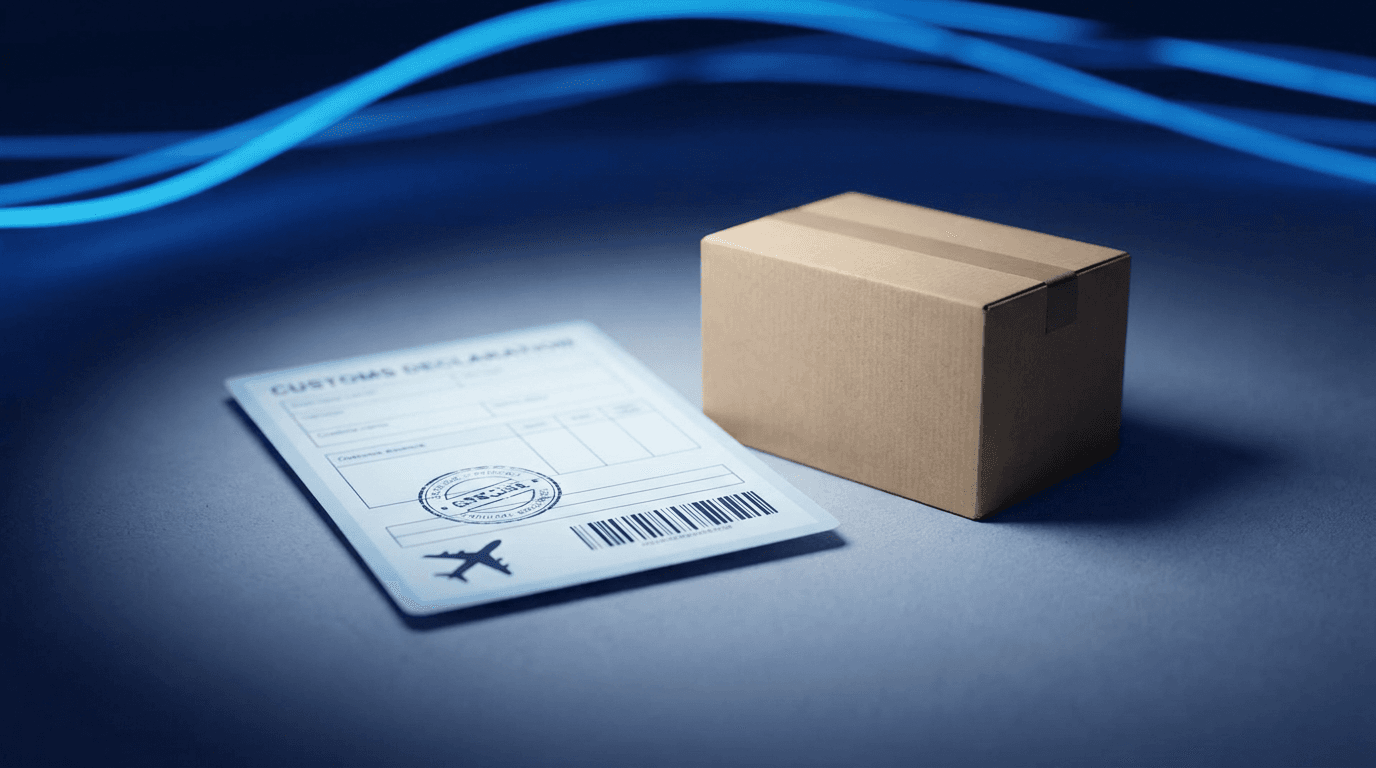
Micro-export offers simplified customs procedures for shipments within certain value and weight limits; since it requires less paperwork and provides faster processing, it's a practical starting path for those new to e-export.
Tip: Delivery time and shipping cost affect the purchase decision of an international customer far more than they do domestically. A transparent, trackable and predictable shipping experience is a competitive advantage in its own right.
Choose the Right Target Market
Not every product sees the same demand in every country. When choosing a target market, evaluate demand for your product, the level of competition, shipping costs, payment habits and local consumer behavior together.
Rather than spreading yourself across many countries at once, mastering a single market and then expanding is usually a far healthier strategy. Once you've learned what works in one market, carrying that experience to new markets is much easier.
International Marketing and Visibility
For a brand unknown abroad to make sales, it first has to be visible. Product content suited to the target market's language, Google and Meta ads aimed at that country, and international SEO make up the marketing side of e-export.
The critical point here is this: merely translating the content isn't enough. The text has to be adapted to the target market's culture, shopping habits and search behavior, that is, localized. Content prepared with machine translation weakens both trust and conversion.
What to Watch Out For When Starting in E-Export
- When pricing, fully account for commission, shipping, customs and foreign-currency costs.
- Research the target country's legal, tax and product-compliance requirements in advance.
- Plan customer service to suit the target market's language and time zone.
- Start small, measure results and focus on the market-product combinations that turn a profit.
The Advantages and Challenges of E-Export
The biggest advantage of e-export is the expansion of the market: a product with a limited audience domestically can reach far greater demand on a global scale. Foreign-currency earnings provide a hedge against exchange-rate fluctuations; and spreading across different markets reduces dependence on the economic conditions of a single country.
The challenges are usually operational: international logistics, customs processes, adapting to different languages and cultures, and competing with foreign rivals. None of these challenges is insurmountable, but they need to be managed with advance planning and the right information. Seeing the advantages while underestimating the challenges is the most common mistake in e-export.
Customer Service and Return Processes
A customer abroad, not knowing you, is more cautious about trust than a domestic customer. Fast, clear customer support given in the target market's language is one of the most important elements that builds that trust. You also need to plan your response times taking the time-zone difference into account.
Return processes should be clear and transparent too. Because international returns can be costly, carefully designing your return policy from the start both protects customer satisfaction and prevents unexpected costs. A well-managed return experience often turns a customer you'd otherwise lose into a loyal buyer.
Tax and Incentives in E-Export
E-export is not just selling; it's also a regulatory process. You need to know both Turkey's export regulations and the tax and customs rules of the country you sell to. In some markets, local tax obligations can arise once you reach a certain revenue.
The good news is this: there are various incentives and facilitations in Turkey that support e-export and micro-export. Clarifying these processes with an accountant or export consultant both reduces risk and lets you benefit from the existing support mechanisms.
Open Up to the Global Market With Alis Digital
E-export requires the right channel choice, a solid platform and marketing suited to the target market all coming together. This process, which looks hard to do alone, becomes manageable with the right roadmap. At Alis Digital, we're by your side throughout the process, from e-commerce platform setup to international ad management. Contact us to take your products abroad.